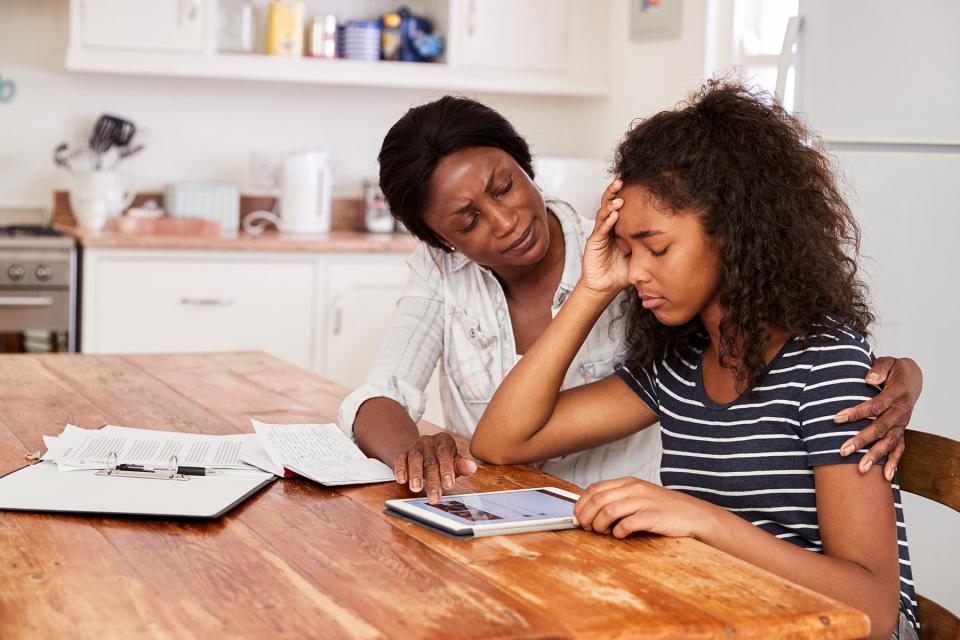
Mental health, emotions, and relationships are deeply connected, they shape how we think, how we respond to life’s challenges, and how we interact with the people we love. When one area suffers, the others often feel the impact, like a strained relationship can affect emotional well-being, just as poor mental health can influence the quality of our relationships. One of the greatest mistakes we make in relationships is valuing others primarily for what they can provide rather than for who they are. For example in marriage, it is easy to become overly focused on a spouse’s role, what they earn, what they accomplish, or how they meet our needs, however healthy relationships are not built on utility; they are built on mutual respect, love, and appreciation.
It is important to destigmatize mental health, just like physical health where an individual may receive a report showing that their creatinine levels are abnormal or their cholesterol is high after years of eating too much fried food. We do not respond with stereotypes or shame, we instead respond with action: “Cut back on this,” or “Take this medication.”
We support our friends and family as they make those changes. But when it comes to mental health, especially as African Christians, many of us immediately shift into denial, defensiveness, lectures or excuses, as though struggling emotionally is somehow a personal failure.
Often, the first signs that someone’s mental health may be declining appear in their emotions. Emotions are signals, much like signs and symptoms in physical health, persistent sadness, irritability, withdrawal, anxiety, or emotional numbness may all be indicators that something deeper requires attention, and we need to be aware of these signs and ask deeper questions.
Furthermore, there is an important distinction between mental health and mental illness that we all need to understand to help us de-stigmatize this health issues in our community, churches and families. With this post the focus is on family as that is the bedrock of any Country, community, church, culture, tribe or creed.
Mental health refers to your overall psychological, emotional, and social well-being, it affects how you think, feel, cope with stress, make decisions, and relate to others. Everyone has mental health, just as everyone has physical health, having good mental health does not mean being happy all the time. It means being able to function, adapt, and recover from life’s challenges, it also means that when difficult days come and they will, you have healthy coping mechanisms to help restore perspective and bring yourself back to equilibrium.
Counselors, therapists, pastors, and trusted supporters can all play an important role in maintaining good mental health.
Mental illness, on the other hand, refers to diagnosable conditions that significantly affect a person’s thinking, mood, or behavior, such as Major depressive disorder, Generalized anxiety disorder, or bipolar disorder. These conditions often require professional assessment, treatment, and ongoing management.
Mental health exists on a continuum, it changes over time based on life circumstances, unemployment, a stressful workplace, relationship struggles, parenting, empty nesting, physical illness, or access to support (Keyes, 2002).
Mental illness is not simply the absence of mental health, nor is good mental health merely the absence of mental illness. As Christians, our goal should not be to build families without problems. That would be lovely, but also a scheduling nightmare for reality.
Instead, we should strive to build mentally resilient families, homes that know how to face problems together.
How to build a Mentally Resilient Family;
Create Emotional Safety
Every family member should know that their feelings can be expressed respectfully without ridicule, dismissal, or punishment. Resist the urge to immediately fix, lecture, or minimize. Sometimes people need understanding before they need solutions.
“Everyone should be quick to listen, slow to speak and slow to become angry.”
James 1:19
Normalize Conversations About Mental Health
Talking about mental health does not create mental illness. Avoiding the conversation certainly does not cure it. Research shows that open family communication is strongly associated with better emotional adjustment, higher emotional intelligence, and lower rates of anxiety and depression in children (Walsh, 2016).
Model Healthy Coping
How do you handle stress? How do you respond to anger, disappointment, or fear? If you cope through avoidance, outbursts, or silence, your children are likely to adopt the same patterns. Children learn far more from our behavior than from our lectures.
Encourage Help-Seeking Behavior
Strong families do not pretend to have all the answers. They know when to seek wisdom, support, and professional help. Reaching out is not weakness; it is maturity.
“Plans fail for lack of counsel, but with many advisers they succeed.”
Proverbs 15:22
Maintain Realistic Expectations
Nobody is perfect. Mistakes, disappointments, and setbacks are not signs of failure; they are part of being human. Give yourself, your spouse, and your children room to grow.
Apologize, Forgive, and Learn Together
Healthy families are not those who never hurt one another. They are those who know how to repair, reconcile, and continue growing together.
“Bear with each other and forgive one another.”
Colossians 3:13
When we stop measuring people by their usefulness, when we honor emotions as valuable signals, and when we normalize seeking support, we create homes where mental health can thrive, relationships can deepen, and every family member can flourish.
We often try to fix people instead of understanding them. What would change in your home if you chose understanding first?
Let’s hear from you in the comment section.
REFERENCES
Keyes, C. L. M. (2002). The mental health continuum: From languishing to flourishing in life. Journal of Health and Social Behavior, 43(2), 207–222.
Walsh, F. (2016). Family resilience: A developmental systems framework. European Journal of Developmental Psychology, 13(3), 313–324.