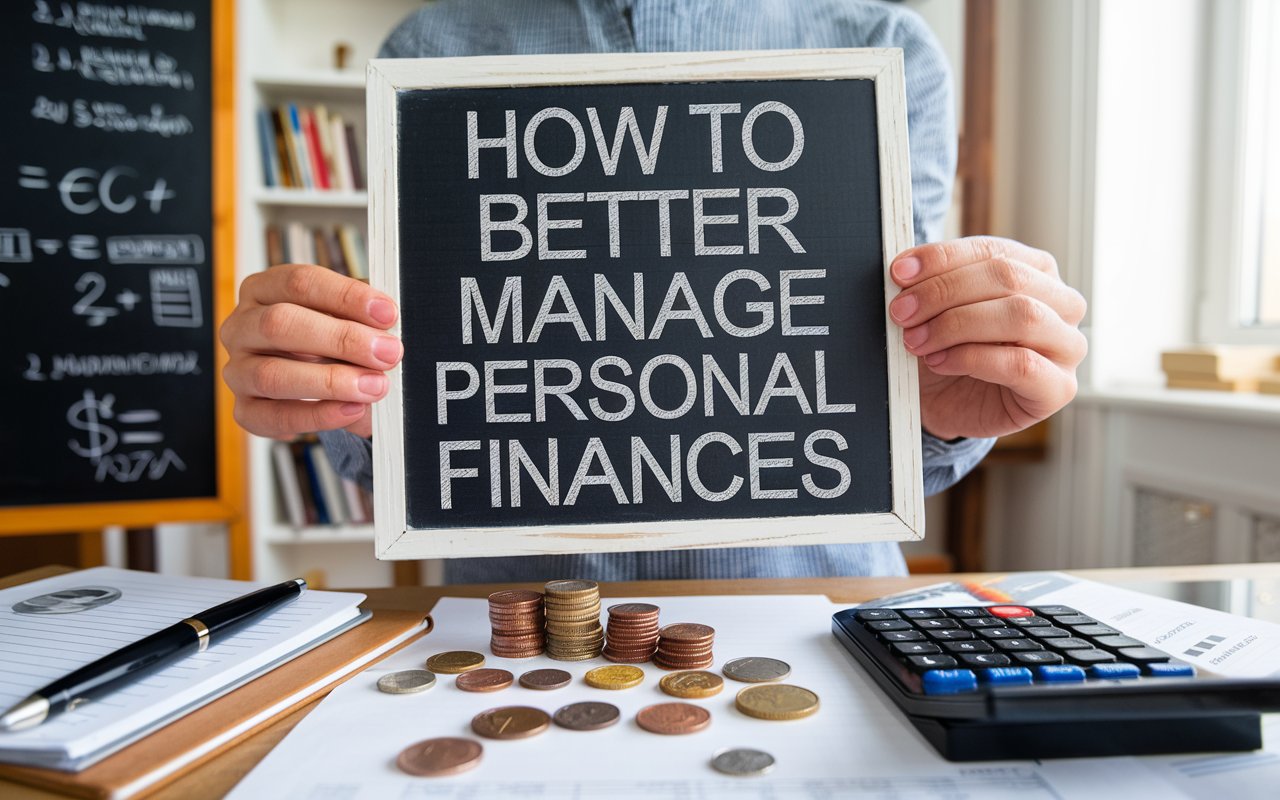
Managing personal finances successfully may seem somehow daunting for some people, especially with the current economic realities – rising prices of everyday items, groceries, subscriptions, property tax, etc. Despite the various challenges being posed by this, the need to have a good grasp of one’s personal finance management cannot be over-emphasized.
One may need to do some reviews and employ some strategies towards managing the cost of living, even amid the current economic uncertainties. It is worth noting that making strategic moves to reduce one’s expenses could result in increasing one’s financial stability and independence. Here are some of the tips for a calm financial and healthy living:
Pay yourself first – This is emphasizing the need to cultivate a saving habit. Set aside a specific percentage of your income as an appreciation for working to make money; pay the man that made the money! This could range from 5–20% depending on what is realistic for you, your current financial situation and level of income. Do this before spending on other things; nothing/no expenses/no one is more important than you.
Build your emergencies fund – As the saying goes, he who fail to plan, plan to fail. It is important to plan by setting aside an equivalent of your 3/6-month income for unforeseen circumstances (job loss, health, unexpected incidents, etc.). The emergency fund can be built through your savings and accumulated funds to be held in high yield savings account or Tax-free saving account (TFSA).
Set realistic financial goal(s) – To help in your journey towards mastering your saving habit, you may need to set financial goals, break the set amount to monthly contributions and be committed towards achieving the set goal.
Forced savings – Registered Education Saving Plan (RESP) & Group Retirement Saving Plan (GRSP)
You may need to commit certain amount to RESP which helps you to build some funds for your children’s post-secondary education. There is a government incentive of 20% on whatever you can put into the RESP account. To maximize this, you may need to contribute $2,500 which attracts $500. This could be about $210 per month, and it makes economic sense in that you get to indirectly earn 20% on your contribution as reward, aside from the likely return on accumulated funds over the years.
Some employers offer matching GRSP, and it is good to take advantage of this opportunity as it affords you additional free money (indirectly earning 100% return on your contribution, aside from the likely return on accumulated funds over the years).
Review internet and phone bills – Perform periodic review of your internet and phone bills towards getting a reduction in what you pay. This can be done through regular chat with friends and colleagues with the possibility of coming across better and cheaper services.
Review subscriptions – Perform periodic review of your subscriptions, towards verifying that they are functional and you are optimizing their usage. Some people have multiple streaming subscriptions, often offering similar services. You may need to cancel some of the subscriptions if found to be under-utilized or unused as no amount is too small to save!
Debt management – Review your debts and strategize on paying them off. You may choose to pay high interest loans off first or pay off the loan with the lowest outstanding balance first (this helps to boost your morale in managing your debts).
Health – Make more money by changing to a job that pays more wage rate, while you refrain from increased shifts/overtime hours. This would help to sustain good healthy living and sustainable work-life balance. Although, more training or change of career path may be required to achieve this.
Review black tax – For some immigrants, a critical review of the amount they send to family and friends back home may be necessary, as this has been found to sometimes put some people under avoidable financial stress. Please note that you need to save yourself to save others!
Downsize – For some people, there may be a need to assess the functionality of the current residence space, as they may need to downsize to a manageable space that offer optimal value for money. Also, this may be required for someone who is mortgage broke (being “mortgage broke” or “house poor” means having a high percentage of income tied up in mortgage payments, leaving little money for other living expenses, savings, or investments. While homeowners may truly own a valued asset, they may be living with limited cash flow and financial flexibility, making them susceptible to stress from rising interest rates or unexpected repair expenses).
Declutter – Take some time to run through your belongings – wardrobe, kitchen appliances, furniture, sport/game equipment, etc. You may find some abandoned items, just occupying space. Declutter and put them up for sale or give out for free on marketplace or Kijiji or Karrot app. This activity serves two purposes – decluttering your living space and/or making money from idle items.
Make concerted efforts to understand the difference between ‘needs’ and ‘wants’.
In conclusion, you will need to be disciplined, dedicated and engage in effective and efficient planning to have calm financial and healthy living.